A radiator that stops heating properly can quickly make your home uncomfortable. Fortunately, many radiator problems have simple causes that can be identified without specialist knowledge. This guide explains why radiators stop working, how to diagnose common faults safely at home, and when professional attention may be the best solution.
Radiators play an essential role in keeping your home warm and comfortable throughout the colder months. When one suddenly stops producing heat, you may find yourself asking, Why is my radiator not working? Fortunately, not every heating problem points to an expensive repair. In many cases, the issue is caused by trapped air, a faulty valve, low system pressure, or restricted water flow. Learning how your radiator works and carrying out a few simple checks can help you identify the problem quickly, improve heating efficiency, and determine whether the issue can be resolved at home or requires professional assistance.
How a Radiator Works
A radiator works by receiving hot water from your central heating system and transferring that heat into the room. Once the water cools, it returns to the boiler to be reheated before circulating again. This continuous process keeps rooms at a comfortable temperature. If any part of this cycle is interrupted, the radiator may struggle to produce heat or stop working altogether. Understanding this basic process makes it much easier to identify where a problem may be occurring.
Trapped Air Can Prevent Proper Heating
One of the most common reasons a radiator fails to heat correctly is trapped air. Air naturally builds up inside heating systems over time and creates pockets that stop hot water from circulating throughout the radiator. As a result, the upper section often feels cold while the bottom remains warm. You may also hear bubbling or gurgling sounds when the heating is switched on. Bleeding the radiator allows the trapped air to escape and usually restores normal heating performance.
A Faulty Radiator Valve Can Stop Water Flow
Every radiator has valves that regulate the amount of hot water entering the unit. If a thermostatic radiator valve becomes stuck or fails to open correctly, hot water cannot circulate through the radiator. This often happens after the heating system has remained switched off for an extended period. Before assuming a larger fault, it is worth checking that both radiator valves are open and functioning correctly.
Low Boiler Pressure Can Affect Every Radiator
The entire heating system depends on the correct boiler pressure to circulate hot water efficiently. If the pressure falls below the recommended level, one or more radiators may fail to heat properly. Many modern boilers include a pressure gauge that allows homeowners to check the system quickly. If the pressure is too low, restoring it according to the boiler manufacturer’s instructions may resolve the problem. However, pressure that continues to drop could indicate another issue requiring professional investigation.
Sludge Inside the Radiator Reduces Performance
Over time, rust particles, dirt, and other debris can build up inside central heating systems. This material eventually settles inside radiators, creating blockages that restrict water circulation. A radiator affected by sludge often feels warm near the top but cold along the bottom. Heating may also become slower and less efficient. If you are still asking why is my radiator not working, internal sludge could be preventing hot water from flowing evenly through the radiator. Severe blockages usually require professional cleaning to restore proper performance.
Uneven Heating May Indicate a Balancing Issue
Sometimes every radiator in the home works, but they do not all heat up evenly. Radiators located closest to the boiler often become hot much faster than those further away. This usually indicates that the heating system requires balancing. Balancing adjusts the flow of water through each radiator so that heat is distributed more evenly throughout the property. A balanced heating system improves comfort while helping energy to be used more efficiently.
Check for Closed or Restricted Valves
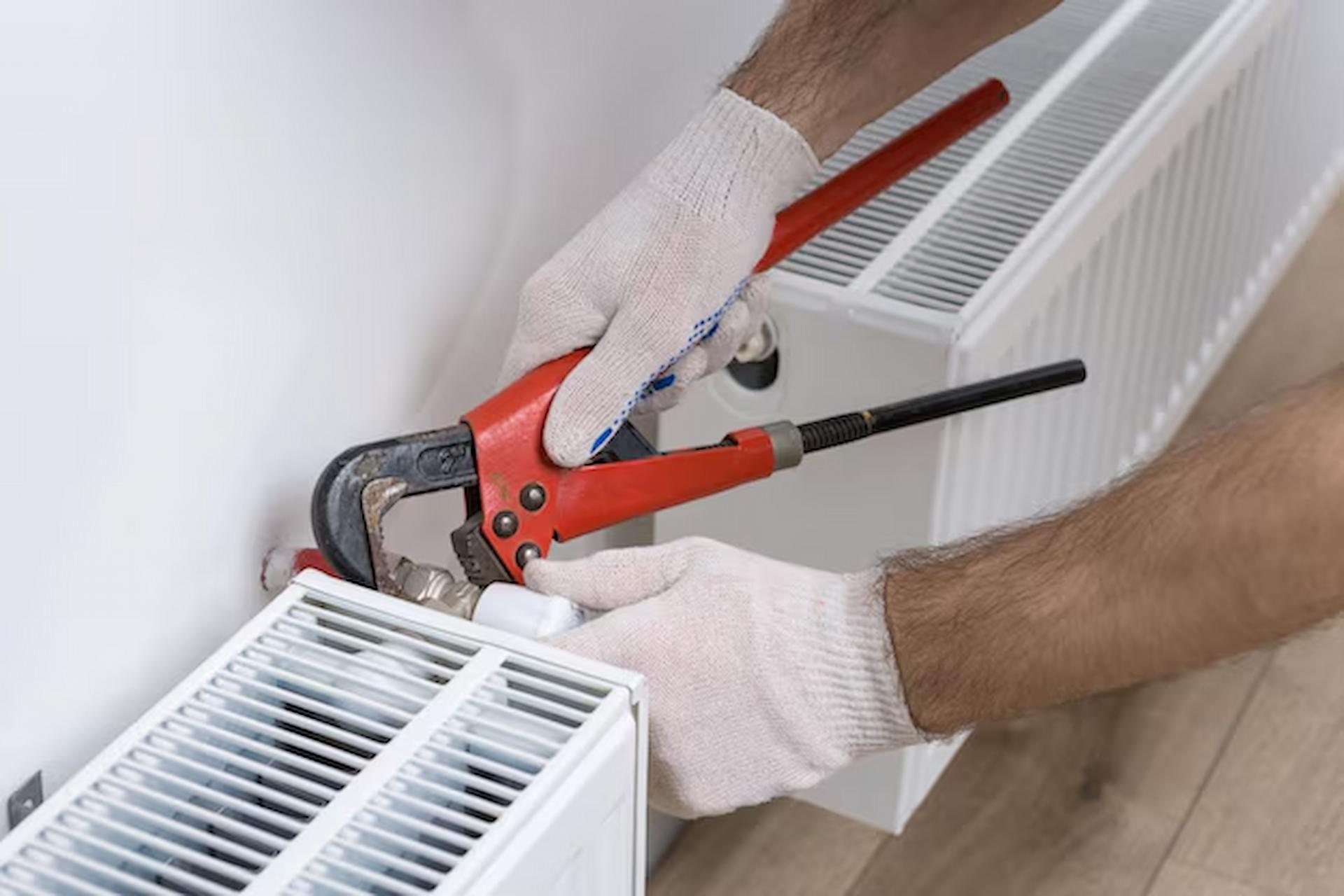
A radiator may stop heating simply because one of its valves has been closed accidentally. This can happen during decorating, cleaning, or previous maintenance work. Carefully checking both the thermostatic valve and the lockshield valve can quickly rule out this possibility. Even a partially closed valve can reduce the amount of hot water entering the radiator, leading to poor heating performance.
Older Radiators May Lose Efficiency
As radiators age, internal corrosion and years of continual heating can reduce their overall efficiency. While regular maintenance helps extend their lifespan, some older radiators eventually struggle to deliver the level of heat required for modern homes. Replacing an ageing radiator with a newer model may improve heat output, energy efficiency, and overall comfort while complementing the existing central heating system.
Simple Maintenance Helps Prevent Problems
Many radiator issues can be avoided through routine maintenance. Bleeding radiators once a year removes trapped air before it becomes a larger problem. Monitoring boiler pressure regularly also helps ensure efficient circulation throughout the heating system. Keeping radiator valves moving freely and arranging regular servicing of the overall heating system can reduce the likelihood of unexpected breakdowns and improve long-term performance.
When Professional Help Is Needed
Although homeowners can safely carry out several basic checks, some problems require the knowledge and equipment of a qualified heating engineer. Persistent pressure loss, recurring cold spots, leaking radiators, faulty pumps, or repeated circulation problems should always be investigated professionally. Attempting complex repairs without the proper experience may lead to further damage or reduce the efficiency of the heating system.
Conclusion
A radiator that stops working is not always a sign of a major heating failure. Many common issues can be identified through simple checks, including trapped air, low boiler pressure, faulty valves, or restricted water circulation. Understanding how your heating system operates allows you to diagnose problems more confidently and maintain comfortable temperatures throughout your home. Regular maintenance also helps prevent many faults before they become costly repairs. If basic troubleshooting does not restore proper heating, contacting a qualified heating professional is the safest course of action. The next time you find yourself asking why is my radiator not working, you’ll have a better understanding of the possible causes and the practical steps you can take before considering more extensive repairs or replacement.