Hot water is something most homeowners take for granted—until it suddenly disappears. Whether it’s a cold morning shower or a dishwasher that won’t perform properly, the inconvenience quickly becomes clear. With rising energy costs and smarter home upgrades becoming more common, choosing the right water heater is no longer just a routine decision—it’s an investment in comfort, efficiency, and long-term savings.
Before selecting a system, start by evaluating how much hot water your home actually uses. This step is often overlooked, yet it directly impacts performance and efficiency.
Ask yourself:
- How many people live in the home?
- Do you frequently use multiple water outlets at once?
- What are your peak usage times?
For example, a family of five with multiple bathrooms will require a higher-capacity system than a single occupant. Choosing the wrong size can lead to either insufficient hot water or unnecessary energy waste.
Choosing the Right Type of Water Heater
There are several types of water heaters available, each suited to different lifestyles and budgets.
Storage Tank Water Heaters
These are the most common systems. They store hot water in a tank and are generally more affordable upfront.
Best for: Homes with consistent, moderate water usage.
Tankless (On-Demand) Water Heaters
These heat water only when needed, eliminating the need for storage.
Best for: Energy efficiency and homes with limited space.
Heat Pump Water Heaters
These systems use electricity to move heat rather than generate it, making them highly efficient.
Best for: Eco-conscious households.
Solar Water Heaters
Powered by sunlight, these systems reduce energy bills significantly over time.
Best for: Homes in sunny regions with long-term savings in mind.
Each option comes with trade-offs between cost, efficiency, and installation complexity. A professional consultation during your water heater installation process can help match the right system to your home.
Energy Efficiency and Operating Costs
Energy efficiency should be a top priority when selecting a water heater. While some systems may have higher upfront costs, they often deliver long-term savings.
Look for:
- Energy Factor (EF) ratings
- ENERGY STAR certifications
- Annual operating cost estimates
For instance, tankless systems may cost more initially but can reduce energy consumption by up to 30% compared to traditional models, depending on usage.
Installation Space and Requirements
Not all water heaters fit seamlessly into every home. Space constraints and ventilation requirements play a critical role in your decision.
Consider:
- Available installation space
- Access to gas lines or electrical systems
- Ventilation requirements for gas-powered units
Tankless systems, for example, are compact and can be wall-mounted, making them ideal for smaller homes or apartments.
Water Quality and Maintenance Needs
Water quality can significantly affect the lifespan and efficiency of your system. Hard water, which contains high levels of minerals, can lead to sediment buildup inside the tank.
To protect your investment:
- Install a water softener if needed
- Schedule regular flushing and maintenance
- Check for corrosion or scaling
Routine maintenance ensures your system operates efficiently and extends its lifespan, saving you money over time.
Budget and Long-Term Value
While it may be tempting to choose the cheapest option, it’s important to consider the total cost of ownership.
Key cost factors include:
- Initial purchase price
- Installation costs
- Energy consumption
- Maintenance and repair expenses
For example, a lower-cost tank heater may require more frequent replacements, whereas a higher-end tankless unit can last up to twice as long with proper care.
Safety Features and Compliance
Modern water heaters come with built-in safety features that protect both your home and family.
Look for:
- Temperature and pressure relief valves
- Automatic shut-off systems
- Leak detection technology
Additionally, ensure your installation complies with local building codes and regulations. Working with certified professionals ensures both safety and compliance.
Professional Installation Matters
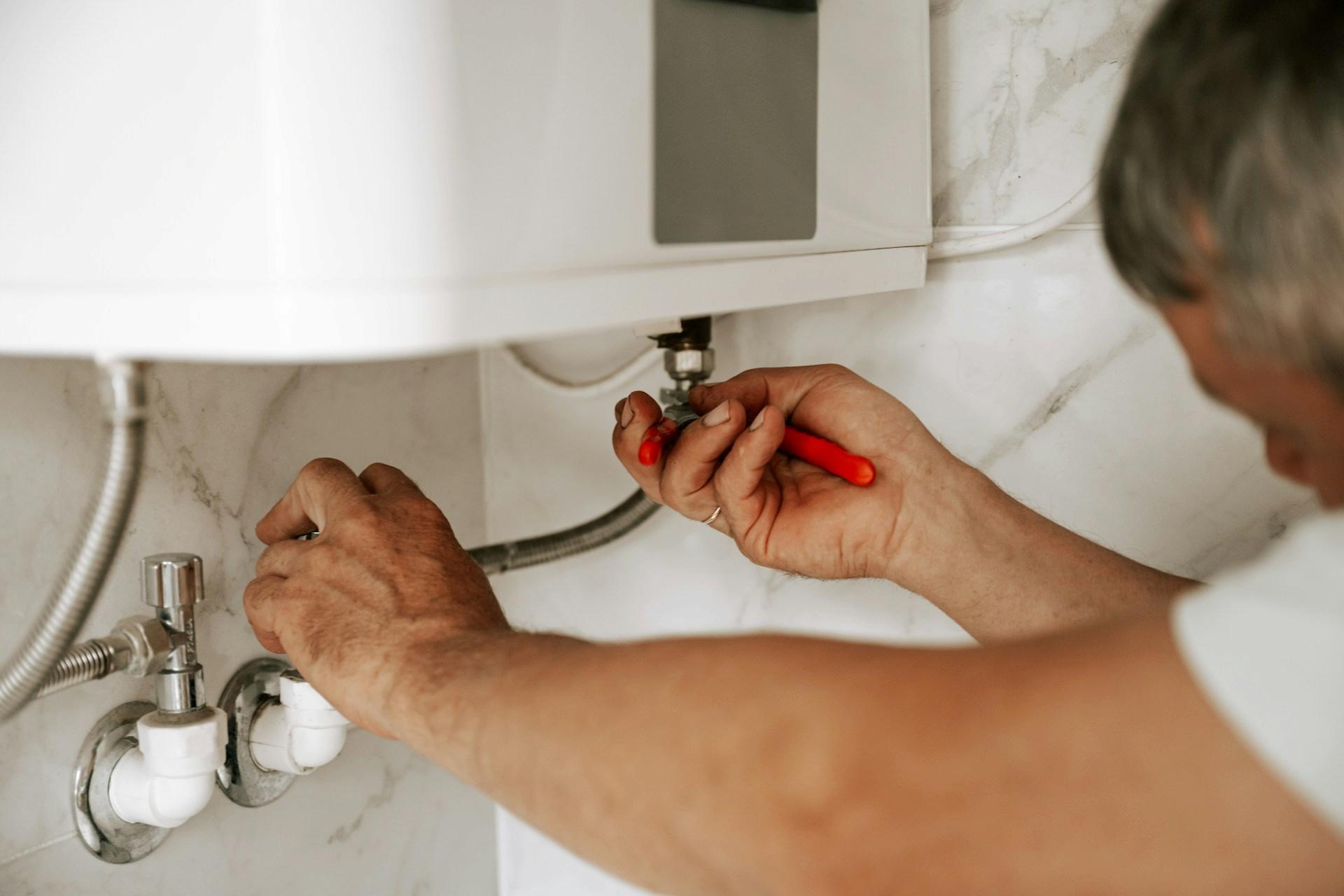
Even the best water heater won’t perform well if it’s installed incorrectly. Improper installation can lead to inefficiency, leaks, or even safety hazards.
A qualified technician will:
- Ensure correct sizing and placement
- Handle electrical or gas connections safely
- Test the system for optimal performance
Investing in expert installation is just as important as choosing the right unit.
Future-Proofing Your Investment
Technology in home systems is evolving rapidly. Many modern water heaters now include smart features such as:
- Remote temperature control
- Energy usage tracking
- Leak alerts via mobile apps
Choosing a system with advanced features can improve convenience and help you manage energy use more effectively.
Conclusion
Installing a water heater is more than a simple upgrade—it’s a decision that affects your daily comfort, energy bills, and home efficiency. From choosing the right type and size to considering energy efficiency, water quality, and professional installation, each factor plays a critical role in ensuring long-term satisfaction.
By carefully evaluating your needs and planning your water heater installation with attention to detail, you can avoid common pitfalls and enjoy a reliable hot water supply for years to come. Take the time to make an informed choice—it’s an investment that pays off every single day.